


Industrial innovation creates real value when it moves beyond experimentation and becomes a viable product, process or industrial solution.
That is the principle behind MCG Evolab.
Created as a transversal structure serving different areas of MCG, Evolab brings research and technological development closer to the company’s industrial reality.
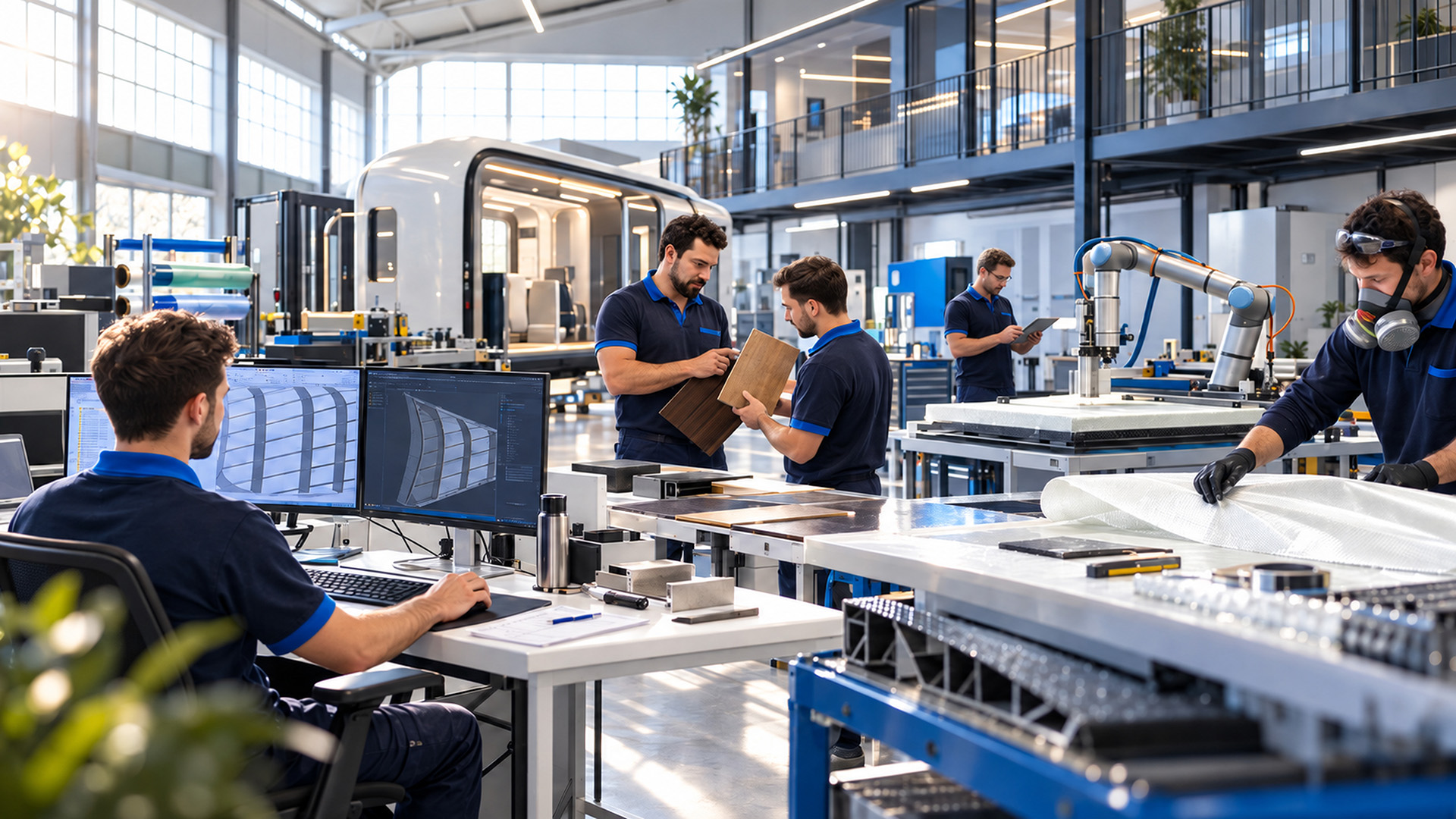
Its activities cover emerging technologies and materials, product engineering, prototype development, process validation, training and the transfer of new capabilities into manufacturing.
More than an isolated R&D laboratory, MCG Evolab acts as a bridge between technological potential and industrial application.
Explore. Engineer. Prototype. Validate. Industrialise.
The work carried out at Evolab can be understood through five connected stages:
Explore. Engineer. Prototype. Validate. Industrialise.
The starting point may be a new material, a manufacturing technology, an automation concept or a new product opportunity.
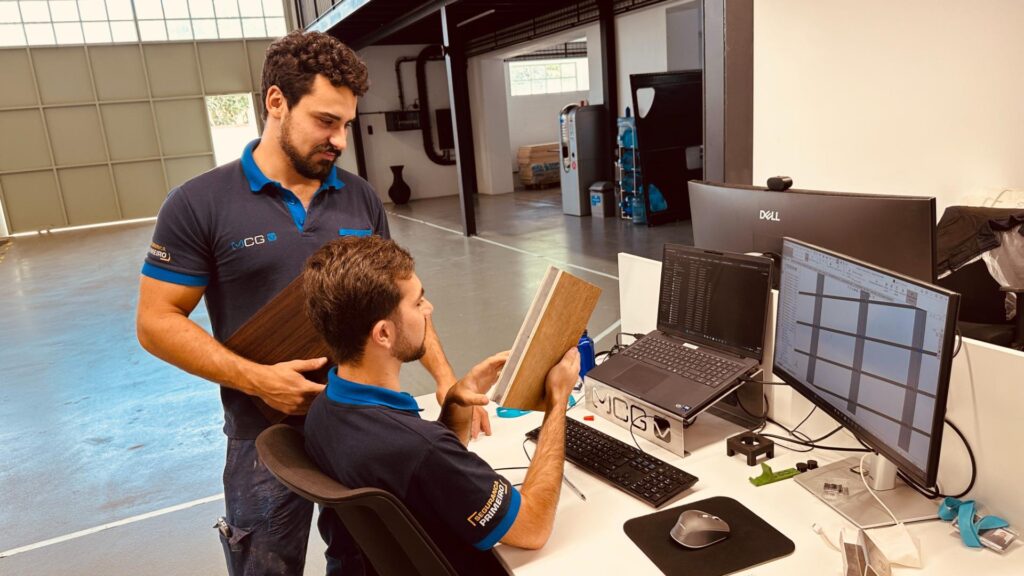
Engineering teams then assess how that technology can respond to a real industrial need. Concepts are developed, components are designed, manufacturing processes are selected and prototypes or demonstrators are produced.
Testing and validation make it possible to evaluate materials, technologies and production methods before a potential transfer into an industrial environment.
The objective is not simply to prove that a solution works, but to understand how it can be manufactured reliably, repeatedly and at the appropriate scale.
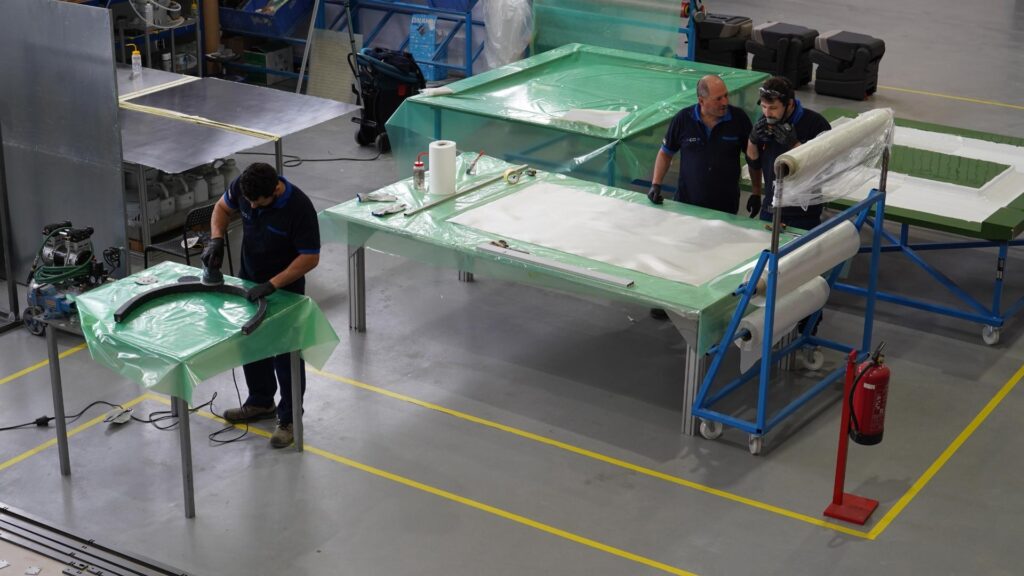
MCG Evolab’s facilities in Carregado provide dedicated conditions for technology development, experimentation, prototyping and the preparation of solutions for industrialisation.
From lab to factory
A significant part of the value created at Evolab is intended to move into MCG’s manufacturing operations.
Additive manufacturing is one example. 3D printing has been used to create production aids for machining, bonding, forming, robotic welding and other manufacturing processes.
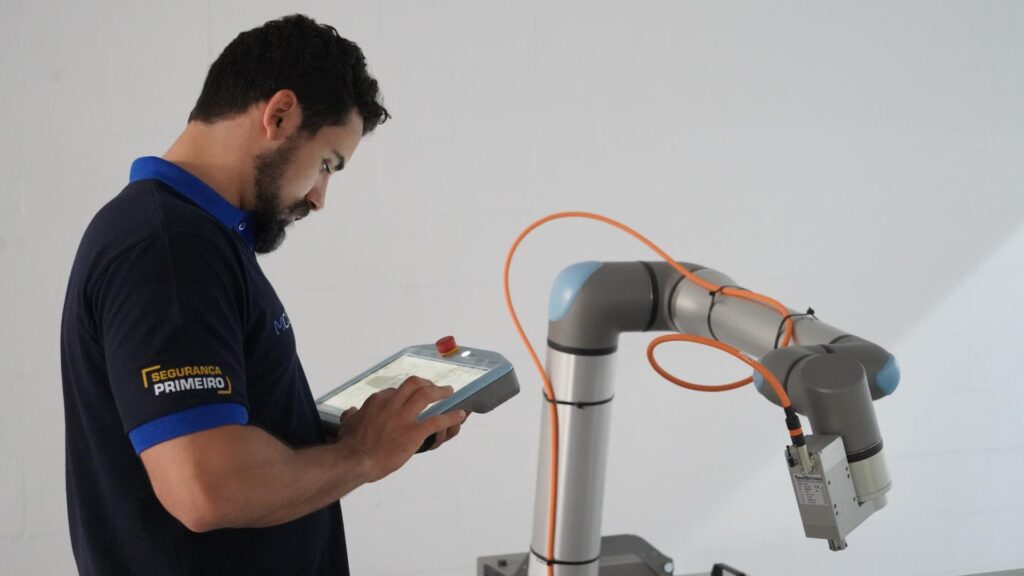
Collaborative robotics follows a similar approach, allowing new applications to be tested before potential integration into production environments.
This ability to experiment and validate in a controlled environment makes it possible to assess technologies without losing sight of the factors that ultimately determine industrial viability: quality, repeatability, productivity, cost and process robustness.
New materials, new possibilities
Lightweight materials are another important area of development.
Composites, fibres and aluminium are becoming increasingly relevant across railway, automotive, aerospace and other advanced industrial applications.
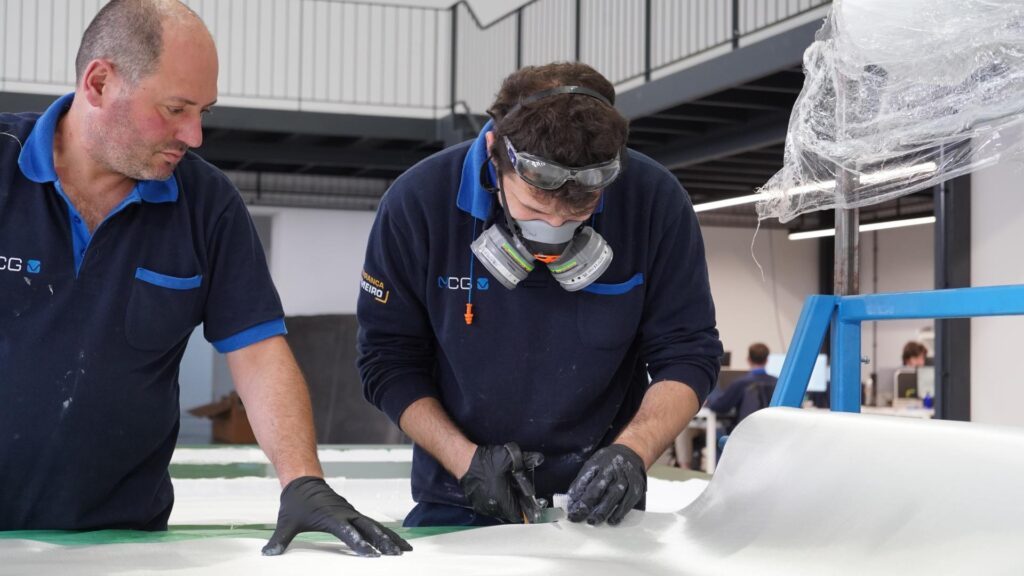
Introducing a new material, however, often means rethinking forming processes, joining technologies, machining, inspection and even the way a product is designed.
MCG Evolab provides an environment where these different aspects can be considered together, combining material development, engineering and preparation for manufacturing.
Knowledge developed for one application can also be transferred to other areas, creating new possibilities for products, processes and markets.
Prototypes that accelerate engineering
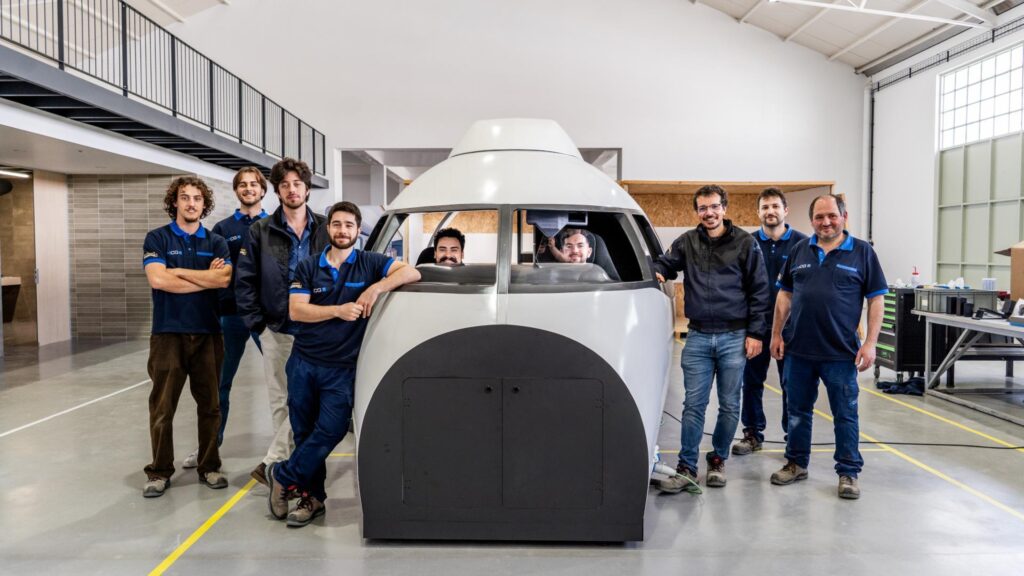
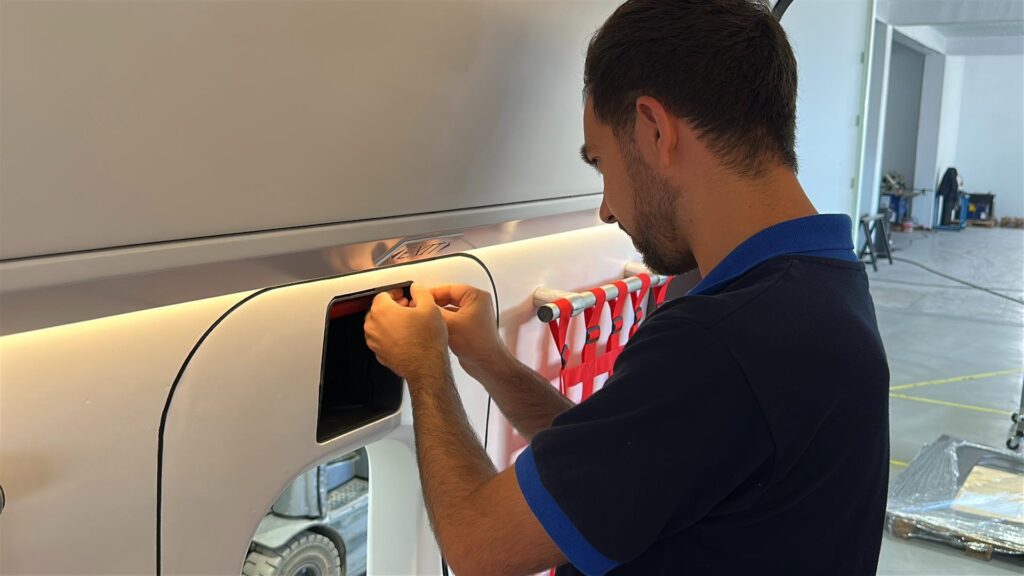
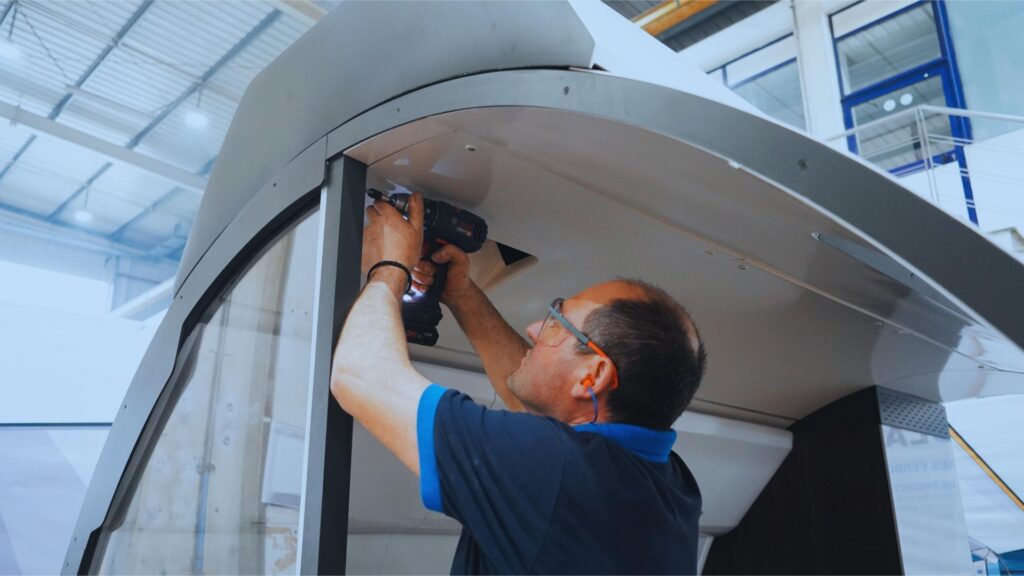
In sectors such as railway, automotive and aerospace, full-scale demonstrators allow engineering teams to assess architecture, structural solutions, interfaces, ergonomics, materials and manufacturing choices before industrialisation.
They also provide a common platform for engineering, manufacturing teams, customers, designers and other stakeholders involved in development.
More than a visual representation of a future product, a prototype can validate a solution, a manufacturing process and a new industrial capability at the same time.
Engineering through collaboration
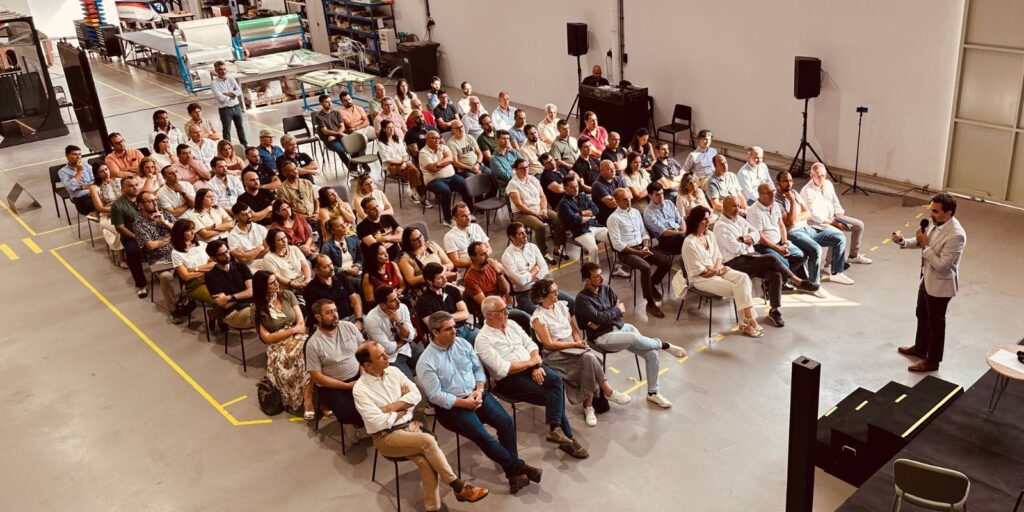
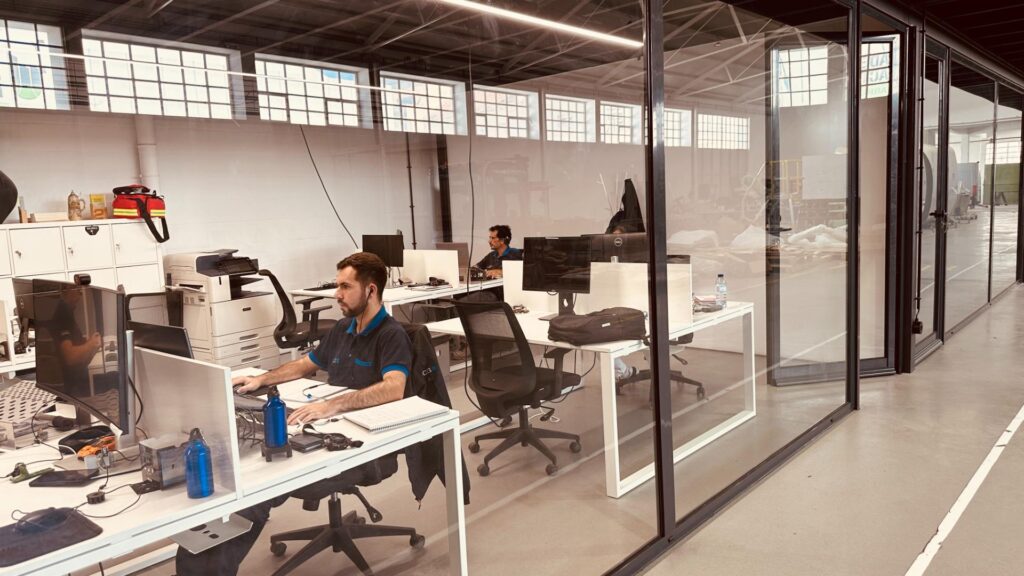
MCG Evolab was also designed as a collaborative engineering environment.
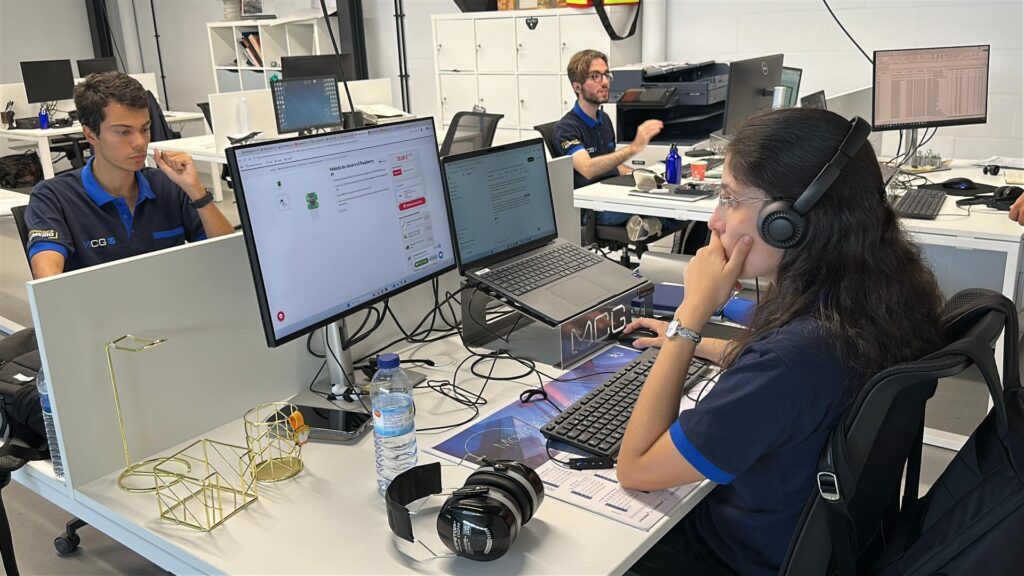
Its facilities enable MCG teams, customers, suppliers, universities and technology partners to work more closely around projects under development.
This proximity supports knowledge sharing, speeds up technical decision-making and helps identify challenges earlier in the development process.
For customers, it also means the possibility of involving MCG before production begins, in areas such as concept development, material selection, manufacturing engineering, prototyping and industrialisation.
Technology and knowledge
Technology transfer also requires knowledge transfer.
Engineers, technicians and manufacturing teams can work with new technologies before they are introduced into industrial operations, building experience in areas such as additive manufacturing, robotics, welding and other specialised processes.
Evolab also provides a relevant environment for young engineers to begin their careers through real industrial projects.
This combination of learning, engineering and industrial application helps develop the skills that will support MCG’s future technological and manufacturing capabilities.
Engineering Innovation for Industry
MCG Evolab brings together technology research, product engineering, process development, prototyping, training, collaboration and industrialisation around one common objective:
Transforming technological development into industrial capability.
Exploring new technologies. Testing new materials. Building prototypes. Validating processes. Developing knowledge.
And when a solution demonstrates industrial potential, preparing it for the next step: the factory, the market and a new generation of MCG products and manufacturing capabilities.
MCG Evolab. Engineering Innovation for Industry.
Discover what MCG Evolab can bring to your next project
Engineering, prototyping and technology development connected to real industrial manufacturing.
Direct contact with our commercial team for project discussions and RFQs.
Other MCG Evolab insights